🧠 Introduction
Dubai, a city known for innovation, luxury, and futuristic skylines, is now making waves in retail with a transformative concept—Augmented Reality Shopping Malls. In 2025, shopping in Dubai is no longer just about physical products; it’s about immersive experiences powered by AR (Augmented Reality) technology.
As customer expectations evolve and hygiene becomes a lasting priority post-pandemic, Augmented Reality Shopping Malls are redefining retail. Consumers can try on outfits virtually, visualize furniture in their homes before buying, and walk through digital showrooms—all without physically touching a single item.
This article dives deep into the phenomenon of Augmented Reality Shopping Malls in Dubai—how they work, the tech behind them, their benefits, and what the future holds.
1️⃣ 📱 What Are Augmented Reality Shopping Malls?
Augmented Reality Shopping Malls are retail spaces that integrate AR technology to enhance the customer experience. Instead of relying solely on physical displays, they use AR overlays to simulate products, personalize experiences, and eliminate the need for physical contact.
Key Features:
- Virtual fitting rooms
- AR navigation and mall directories
- Interactive product displays
- Touchless checkout and smart carts
Dubai’s malls are pioneering these technologies to stay ahead in the global retail race.

2️⃣ 🏙️ Top AR-Enabled Malls in Dubai
Dubai hosts some of the world’s most advanced Augmented Reality Shopping Malls. Leading locations include:
- Dubai Mall: Home to AR-powered fashion outlets and immersive gaming zones
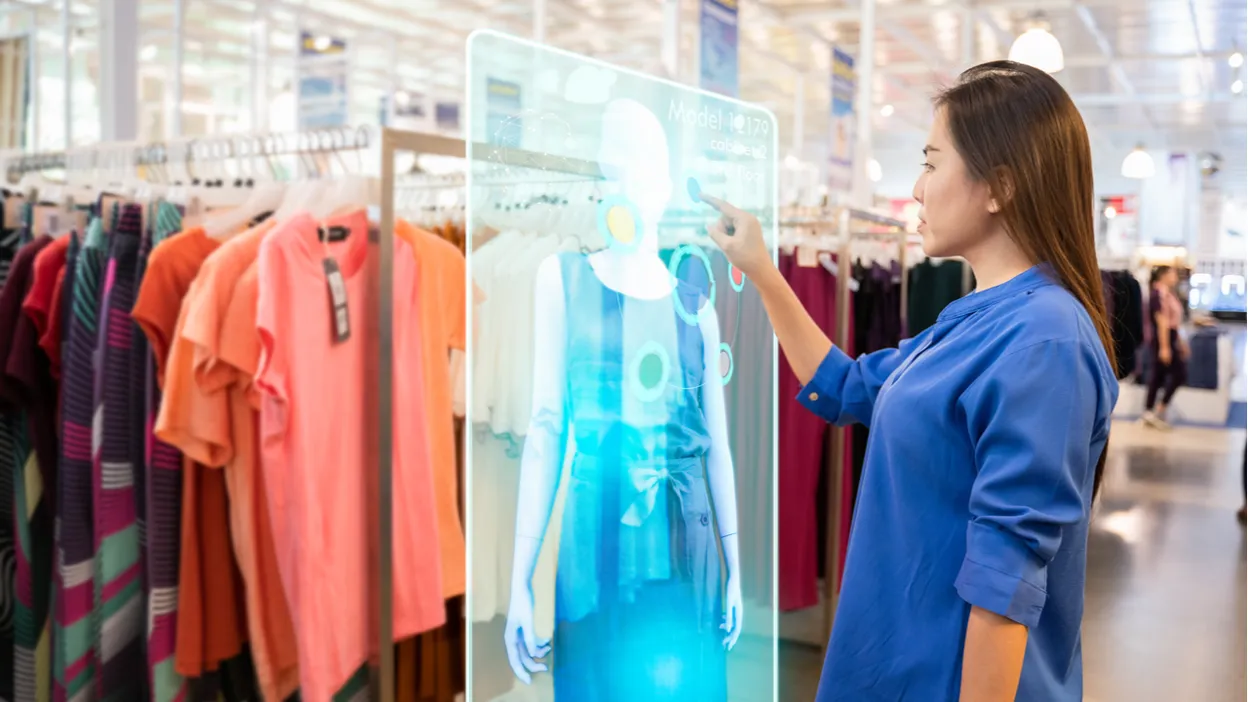
- Mall of the Emirates: Offers smart mirrors and AR dressing rooms in major retail stores
- Dubai Hills Mall: Features touchless navigation and interactive shopping experiences
These malls are blending physical retail with digital engagement, enhancing convenience and excitement.
3️⃣ 🕶️ How AR Works in Retail
At the heart of Augmented Reality Shopping Malls is a mix of mobile apps, smart mirrors, headsets, and spatial mapping. Here’s how it typically works:
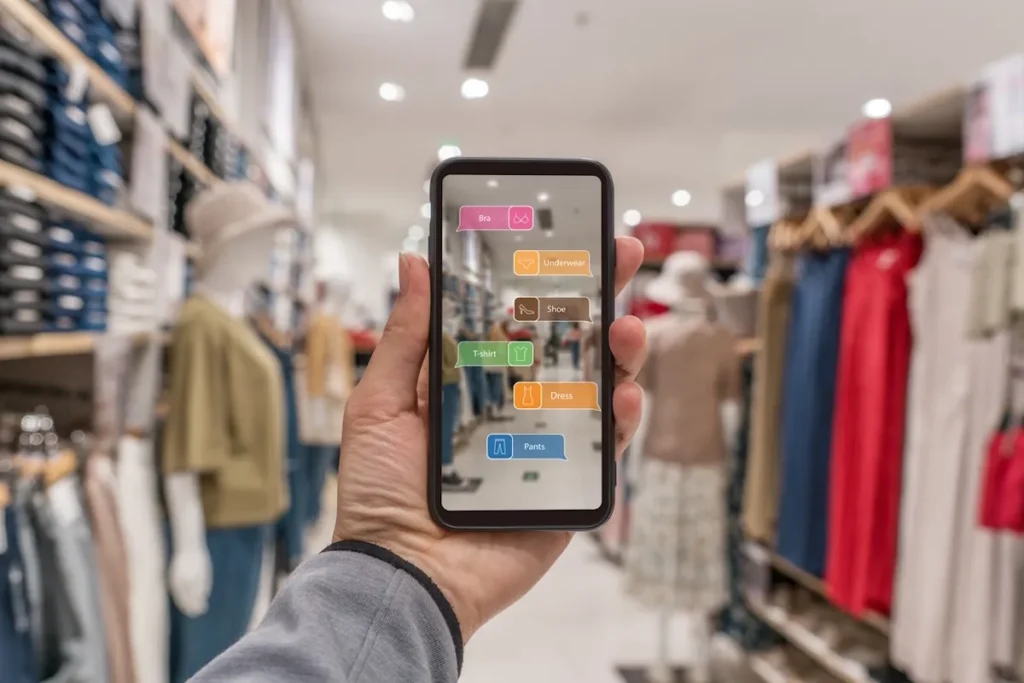
- AR apps allow customers to scan QR codes or store signage
- Items appear in 3D on screens or through AR glasses
- Customers can try items virtually, check sizes, and even change colors
This creates a dynamic, touch-free shopping experience.
4️⃣ 🛋️ Virtual Fitting Rooms & Product Trials
Perhaps the most popular feature of Augmented Reality Shopping Malls is the virtual fitting room. Customers can try on clothes, accessories, and makeup without removing a single garment.
Benefits:
- Saves time
- Reduces hygiene concerns
- Increases confidence in purchases
Furniture and electronics can also be previewed in home spaces using AR applications.

5️⃣ 🛒 Smart Carts and Touchless Checkout
Augmented Reality Shopping Malls streamline checkout with smart carts that recognize scanned items and auto-bill them. Mobile integration allows users to pay using digital wallets without queuing or physical interaction.
Features:
- Real-time billing
- Auto item detection
- No cash or card swiping
Dubai’s push toward smart cities includes integrating these seamless checkout systems.
6️⃣ 🎮 Gamification and AR Entertainment
Shopping becomes entertainment in Augmented Reality Shopping Malls. Many Dubai malls feature:
- AR treasure hunts for discounts
- Interactive storytelling for kids
- Real-time games using smartphones or mall kiosks
These additions boost customer engagement and extend visit duration.
7️⃣ 👗 Personalized Recommendations
AR tools in Augmented Reality Shopping Malls track user behavior (with consent) to provide personalized recommendations. Shoppers can receive:
- Style suggestions based on body scans
- Alerts for restocked or discounted items
- Custom virtual shopping assistants
Retailers gain insights while offering tailored services.
8️⃣ 🌍 Sustainability & Smart Inventory
By reducing the need for physical stock, Augmented Reality Shopping Malls support sustainability. Digital product previews lower waste and overproduction.
Benefits for sustainability:
- Less packaging
- Reduced shipping
- Digital-only product launches
Dubai is positioning itself as a leader in eco-conscious, tech-savvy retail.

9️⃣ 🛠️ Challenges and Limitations
While Augmented Reality Shopping Malls are revolutionary, they face hurdles:
- High setup costs for retailers
- Tech learning curves for customers
- Connectivity and app compatibility issues
Dubai’s government is actively supporting infrastructure upgrades to address these.
🔟 🧬 Integration with AI and IoT
The future of Augmented Reality Shopping Malls involves deeper integration with AI and the Internet of Things (IoT):
- Smart shelves that update AR content based on inventory
- AI-powered customer analytics
- IoT-linked wearable AR devices
Dubai’s innovation ecosystem is the perfect ground for these synergies.
1️⃣1️⃣ 🧾 Digital Twin Stores
Many brands in Augmented Reality Shopping Malls now create digital twins of their physical stores. These twins allow customers to browse from home and continue their journey in-store.
Advantages:
- Unified customer experience
- Remote exploration
- Increased accessibility
Dubai’s mall giants are investing heavily in hybrid commerce models.
1️⃣2️⃣ 🌐 AR for Tourists and International Shoppers
Dubai welcomes millions of tourists each year. Augmented Reality Shopping Malls make shopping inclusive and convenient for travelers.
Features for tourists:
- Multilingual AR overlays
- Currency conversion and tax refund assistance
- Navigation tools for easier mall orientation
This enhances Dubai’s reputation as a retail tourism capital.
1️⃣3️⃣ 📊 Retailer Benefits and Data Insights
Retailers in Augmented Reality Shopping Malls benefit from:
- Heatmaps showing shopper movement
- Conversion data from virtual try-ons
- Faster feedback on new product lines
This data-driven approach improves inventory and marketing strategies.
1️⃣4️⃣ 🔮 What’s Next for AR Shopping in Dubai?
Looking ahead, Dubai aims to expand Augmented Reality Shopping Malls by:
- Launching fully virtual malls in the Metaverse
- Introducing holographic customer service bots
- Connecting AR shopping to smart home devices
The city’s long-term vision aligns retail with emerging tech and lifestyle shifts..
🧾 Conclusion
In 2025, Dubai’s Augmented Reality Shopping Malls offer a glimpse into the future of retail—one that is immersive, intelligent, and incredibly convenient. Shoppers can now engage with brands in exciting new ways, all while minimizing physical contact and maximizing personalization.
From virtual try-ons to smart carts, gamified experiences to real-time data feedback, Augmented Reality Shopping Malls are setting a global benchmark. For residents and tourists alike, these innovations deliver more than just shopping—they offer futuristic journeys that are both engaging and efficient.
As Dubai continues to invest in digital infrastructure and smart technologies, expect Augmented Reality Shopping Malls to become the new standard of retail. It’s no longer about going to the mall—it’s about entering a world where reality meets imagination.
🌐 External Links
- Dubai Mall Official Website
- Mall of the Emirates
- Dubai Future Foundation
- Smart Dubai Government Initiative
- Augmented Reality Trends 2025
Also Read: Smart Homes in the UAE: 2025’s Revolutionary Gadgets for Smarter Living