🏥 1. Introduction
The United Arab Emirates has once again made headlines by pushing the boundaries of medical innovation. In a historic first, Abu Dhabi successfully conducted the first robotic lung transplant in the Middle East. This groundbreaking procedure took place at Sheikh Shakhbout Medical City (SSMC) and represents a monumental achievement for the region’s healthcare sector. Not only does it place the UAE among the few nations globally to have completed such an advanced procedure, but it also showcases the country’s rapid adoption of cutting-edge medical technology.
The successful robotic lung transplant not only reflects the skill and vision of the UAE’s medical professionals but also highlights the government’s strong commitment to investing in world-class healthcare infrastructure. This landmark procedure paves the way for a future where robotic-assisted surgeries become standard practice, reducing patient recovery time, minimizing complications, and improving surgical precision.
In this article, we delve deep into how this robotic lung transplant was performed, the technology behind it, the benefits it offers, and what this means for the future of medicine in the UAE and beyond.
🚀 2. What Is a Robotic Lung Transplant?
A robotic lung transplant is a complex surgical procedure in which a damaged or failing lung is replaced using robotic surgical systems. Unlike traditional open surgeries that require large incisions and longer recovery periods, robotic-assisted techniques utilize minimally invasive tools controlled by highly trained surgeons.
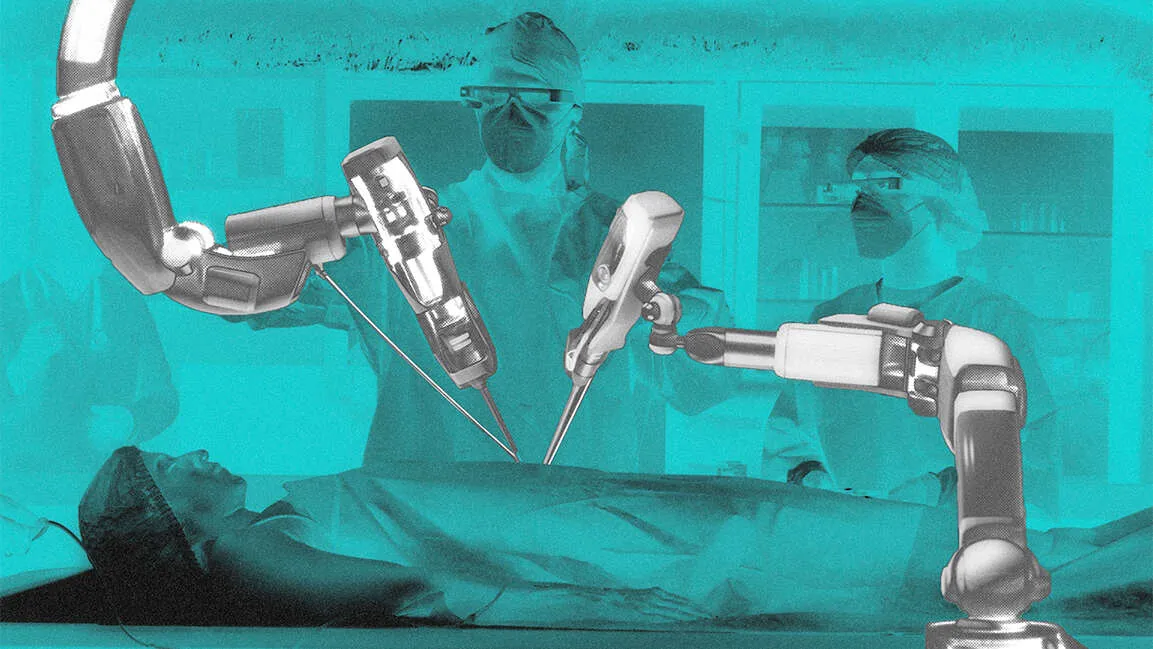
During the robotic lung transplant, robotic arms with micro-instruments perform the precise excision of the diseased lung and the insertion of a donor lung. These instruments offer enhanced flexibility and range of motion, surpassing human limitations. The surgeon controls these arms from a console, gaining a high-definition 3D view of the surgical field.
The key advantages of a robotic lung transplant include:
- Smaller incisions
- Reduced pain and blood loss
- Shorter hospital stays
- Faster recovery
- Enhanced precision and accuracy
This makes it a preferred choice for high-risk patients or those with complex medical conditions.

🌍 3. Why This Matters Globally and Regionally
Performing the first robotic lung transplant in Abu Dhabi is not just a regional achievement—it is a global milestone. This development signifies a leap forward for the entire Middle East in terms of healthcare standards and surgical innovation.
3.1 A Leap for the Middle East
The UAE’s success challenges the narrative that only Western countries lead in medical innovation. By performing the robotic lung transplant, the UAE now joins a prestigious group of nations at the forefront of medical robotics.
3.2 Meeting Local Healthcare Demands
Respiratory illnesses, particularly in the Gulf, are a growing concern due to environmental and genetic factors. The ability to perform a robotic lung transplant domestically means patients no longer have to travel abroad for such life-saving treatments.
3.3 Aligning with National Strategy
This success aligns with the UAE’s National Strategy for Artificial Intelligence and the UAE Centennial 2071 vision, both of which prioritize advanced healthcare and smart technology adoption.
🧠 4. The Surgical Process and Medical Team
4.1 The Surgical Team
The robotic lung transplant was led by a multidisciplinary team of thoracic surgeons, anesthesiologists, transplant specialists, and robotic surgery technicians. This collaborative approach was essential to handling the complexities involved.
4.2 Technology Used
The surgery utilized the Da Vinci robotic surgical system, a globally recognized tool for minimally invasive procedures. Its ability to scale, filter, and translate hand movements allows for more accuracy than human hands alone could offer.
4.3 Step-by-Step Surgical Overview
- Patient assessment and pre-op screening
- Lung removal using robotic arms
- Donor lung preparation and robotic insertion
- Suturing via robotic precision
- Post-operative recovery and monitoring
The entire robotic lung transplant procedure took over six hours and was deemed a resounding success.
⏱️ 5. Benefits of Robotic Lung Transplants
5.1 Patient-Centric Benefits
- Less postoperative pain
- Smaller scars
- Faster return to normal activities
- Lower risk of infection
5.2 Clinical Advantages
- Greater precision
- Consistent results
- Reduction in human error
- Enhanced visualization during surgery
The robotic lung transplant offers all these benefits, especially valuable for patients with compromised immunity or those who can’t tolerate traditional open surgeries.

🧬 6. Challenges and Risk Factors
Despite its advantages, a robotic lung transplant presents challenges:
- High equipment and training costs
- Lengthy preparation and execution times
- Limited availability of donor lungs
- Requires intensive postoperative care
However, with continued investment, these barriers are gradually being overcome in the UAE.
💼 7. Economic and Industry Impacts
7.1 Boosting Medical Tourism
The robotic lung transplant puts Abu Dhabi on the map as a hub for complex medical procedures, likely attracting patients from the Gulf, Africa, and Asia.
7.2 Investment in Healthcare Infrastructure
Robotic surgery facilities like those at SSMC will drive additional investments in medical equipment, training centers, and research institutions.
7.3 Workforce Development
Medical professionals in the UAE now have access to world-class training and exposure to pioneering techniques, helping retain and attract talent.
🔮 8. What’s Next for Robotic Surgery in the UAE?
Following the robotic lung transplant, the UAE plans to expand robotic capabilities across:
- Cardiac surgeries
- Kidney and liver transplants
- Pediatric procedures
- Oncology
Collaboration with global institutions will accelerate the country’s transition into a regional leader in robotic medicine.

🏁 Conclusion
The UAE’s successful robotic lung transplant marks the dawn of a new chapter in Middle Eastern healthcare. It’s a testament to what is possible with visionary leadership, skilled professionals, and technological integration.
With reduced surgical trauma, faster recovery, and unprecedented precision, robotic surgeries are the future, and the UAE is firmly leading the charge. The robotic lung transplant is more than a first—it’s a promise of what’s to come.
🔗 External Links
- Sheikh Shakhbout Medical City – Official Site
- Mubadala Health – Innovation in Healthcare
- Da Vinci Surgical System Overview
- UAE Centennial 2071 Vision
- World Health Organization – Organ Transplantation
Also Read: 8 Amazing Reasons Why FSE Cafe Dubai’s Robotic Coffee Is the Future of UAE Cafés